Drywood termite spot treatment provides targeted domestic protection for isolated infestations, resolving localized colonies without displacing residents, pets, or food supplies. In neighborhoods like Downtown…
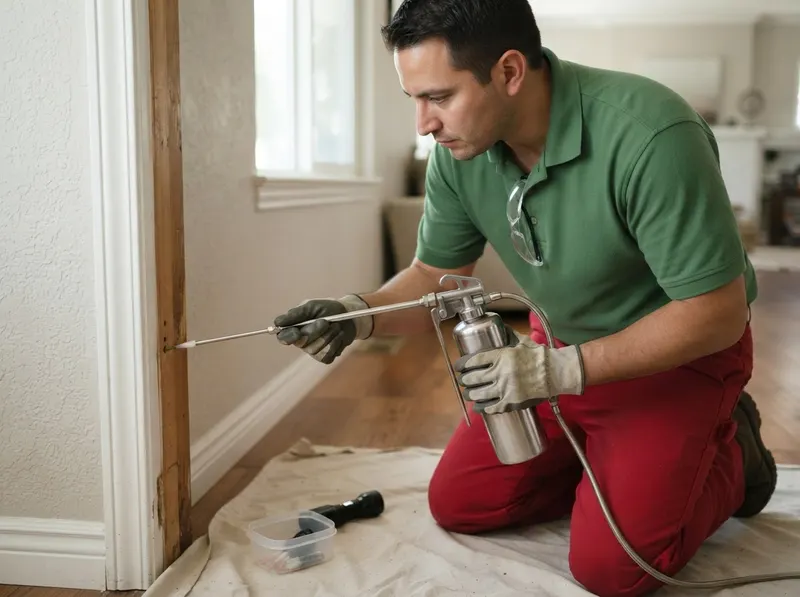
Drywood termite spot treatment provides targeted domestic protection for isolated infestations, resolving localized colonies without displacing residents, pets, or food supplies. In neighborhoods like Downtown Riverside and Victoria Heights, historic homes often present active frass kick-out holes in localized architectural trims, antique hardwood framing, or exterior eaves. A localized liquid or foam injection targets galleries within these specific timber elements, allowing occupants to remain indoors during application. For properties with widespread structural infestations spreading across concealed wall cavities, subfloors, and multi-tier roofing timbers, whole-structure fumigation remains the necessary remediation. The operational trade-off is focused structural preservation: spot treatment eliminates identified pockets quickly with minimal disruption, whereas whole-structure fumigation addresses hidden, non-visible galleries across an entire building envelope at higher cost and logistical downtime.
Technicians determine feasibility through wood sounding, moisture tracking, and visual gallery inspection. In foothill and agricultural communities like Woodcrest, Orangecrest, and Hawarden Hills, drywood swarms emerge during late summer heat waves, often colonizing exposed fascia boards, attic vents, and patio pergolas. Liquid termiticide is injected through tiny 1/8-inch access holes drilled directly into active gallery chambers at 8-to-12-inch intervals, ensuring the formulation coats internal wood surfaces without drifting into living areas. Low-odor transfer products allow worker termites to carry the active ingredient deeper into the colony nucleus during grooming, eliminating the population over 3 to 14 days.
Structural wood near exterior gardens and mature trees in Canyon Crest and Arlington faces pressure from both drywood termites and ambient humidity shifts. Technicians seal all treatment ports with timber-matched wood filler upon completion, preventing opportunistic moisture intrusion and secondary pest nesting. Homeowners seeking immediate relief from active frass deposits beneath door jambs or exposed rafters avoid the recurring costs of monthly chemical spraying by using targeted, single-event localized extraction.
Every job gets a firm, written price after a free on-site visit.
Tell us about your drywood termite spot treatment job in Riverside and we'll send a clear, written quote, usually the same day.
 HomeGuardia Pest Control